
Insight Series
Some insights stand alone.
Others form patterns.
Insight Series are collections of short, connected reflections that explore a theme over time... allowing complexity to unfold without being forced into a single article or formal research paper.
These series sit between lived experience, clinical observation and system design.
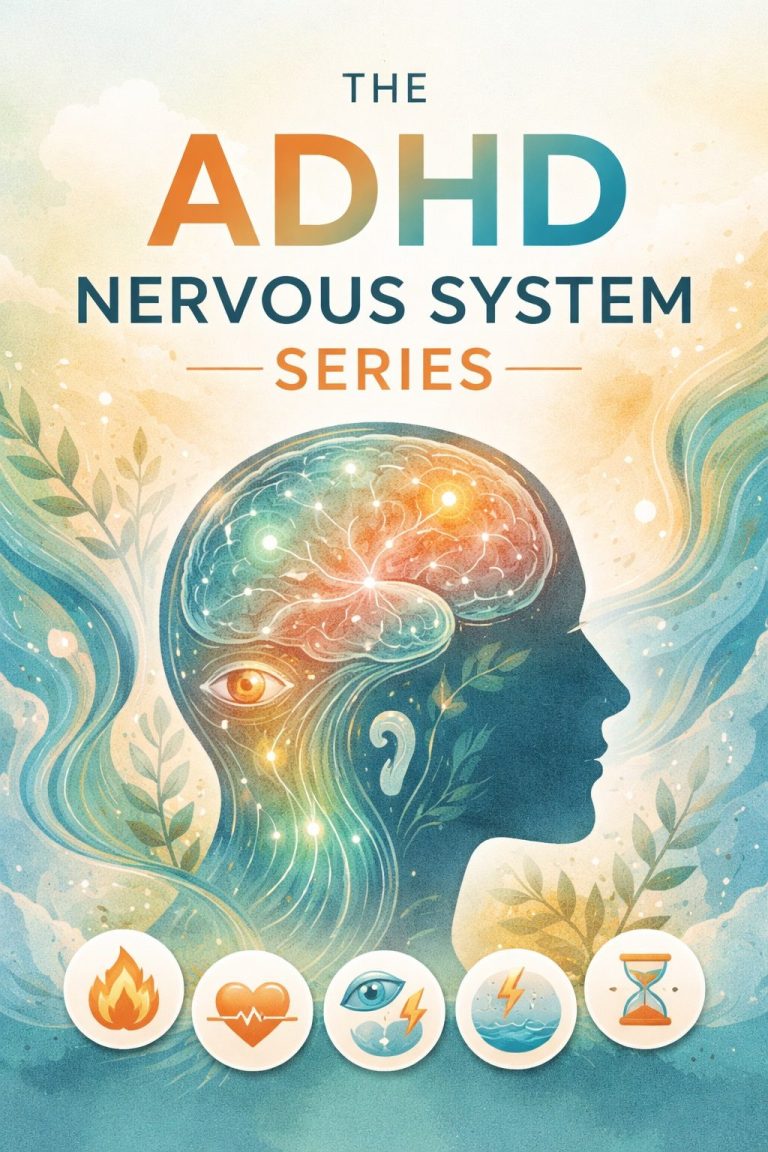
ADHD Through a Nervous System Lens (8-part series)
Series Goal:
To reframe ADHD from a narrative of behavioural deficit and effort failure to one of nervous system regulation, biology, and context.
By translating neuroscience into lived, practical understanding, it seeks to reduce shame, prevent burnout, and support individuals, clinicians, educators, and organisations to design environments that work with ADHD nervous systems rather than against them—shifting the focus from forcing performance to restoring access, safety, and sustainable capacity.
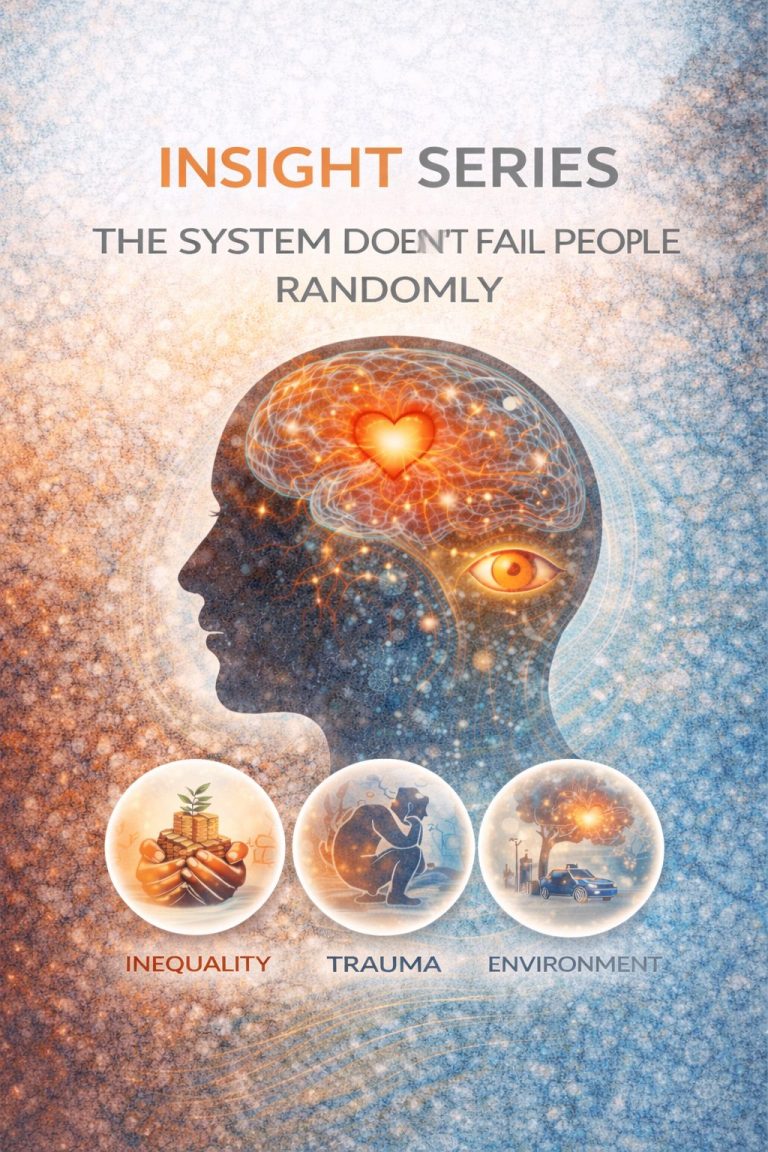
The System Doesn’t Fail People Randomly
(6-part series)
Series goal:
To shift the conversation from individual failure to systemic responsibility by revealing how predictable patterns of burnout, exclusion, and disengagement are created by design... not deficit.
This series aims to help leaders, clinicians, policymakers, and organisations recognise where their systems quietly demand resilience, masking, and self-erasure, and to replace those dynamics with variance-aware, human-centred redesign that anticipates difference, protects capacity, and enables ordinary people to participate without harm.
Workplace Survival → Workplace Safety
(5-part series)
Series goal:
Workplace Survival → Workplace Safety aims to shift how work is understood by making visible the hidden nervous-system dynamics that shape performance, burnout, and behaviour.
Rather than offering solutions, the series reframes familiar workplace problems as outcomes of system design, showing how survival is mistaken for engagement, professionalism filters for certain nervous systems, burnout is predictable, safety is structural, and capacity only returns after safety. Its purpose is to replace individual blame with systemic clarity and create a more accurate foundation for meaningful change.
The Future of Neuro-Inclusion
(5-part series)
Series goal:
The Future of Neuro-Inclusion exists to shift neuro-inclusion from accommodation and compliance into system design and cultural intelligence... showing how workplaces, services, and institutions can be built around real human nervous systems rather than forcing people to adapt to broken structures.
This series reframes neuro-inclusion as a foundation for performance, sustainability, and innovation, not a specialist add-on, and makes the case that designing for difference is how we build systems that work for everyone.

Emotional Dysregulation Explained
(7-part series)
Series goal:
To reframe emotional dysregulation as a nervous-system and environmental issue rather than a personal failing, replacing shame-based narratives with physiological understanding.
It aims to help individuals, leaders, clinicians, and organisations recognise how safety, pacing, and design shape emotional capacity—so regulation is supported through insight and structure, not demanded through self-control.
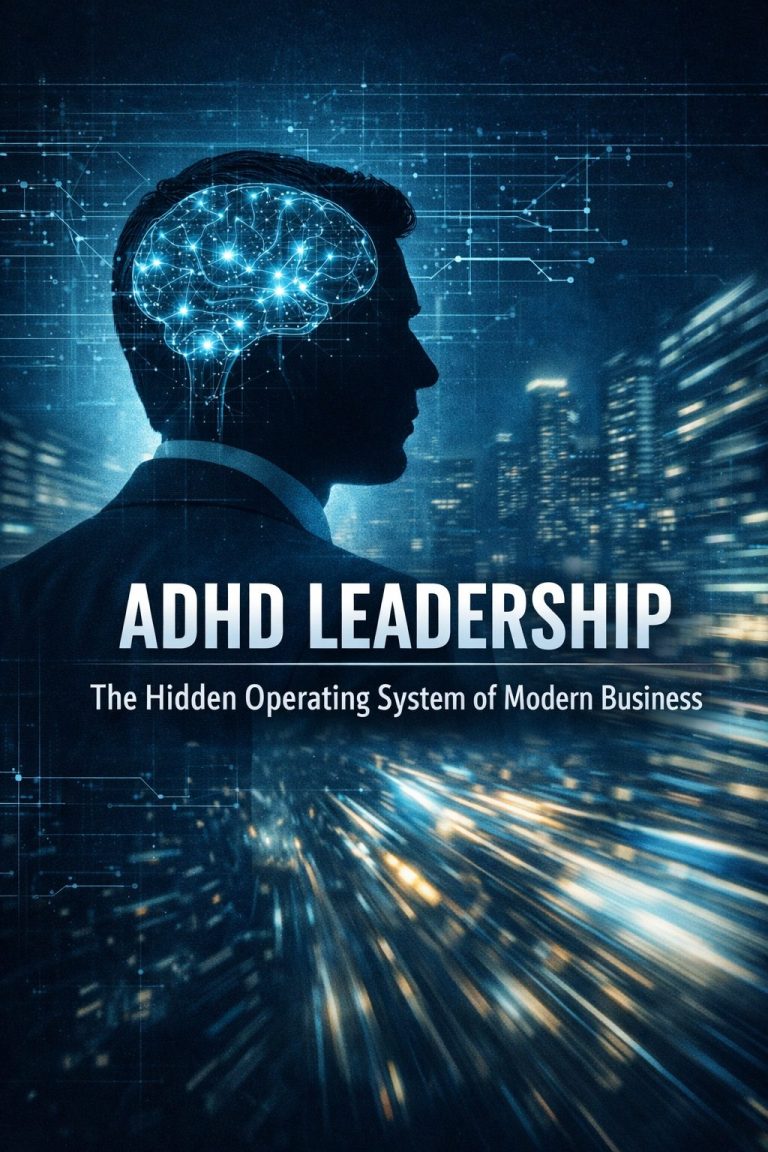
ADHD Leadership: The Hidden Operating System of Modern Business
(7-part series)
Series goal:
This series exposes how ADHD shapes leadership cognition, decision-making, energy, risk tolerance, and emotional load — and why traditional business structures extract value from ADHD traits while failing to support the nervous systems that produce them.
It offers leaders language, validation, and system-level insight — shifting the narrative from “self-management failure” to organisational design responsibility.