
Insights
Reflections, frameworks and observations on ADHD, neurodivergence, emotional regulation and system design.
This space sits between lived experience and formal research... where patterns are noticed, language is shaped, and ideas are tested before they become models, training or studies.
Some insights begin as posts. Others become articles, talks or research questions. This is where the thinking lives while it’s still forming.
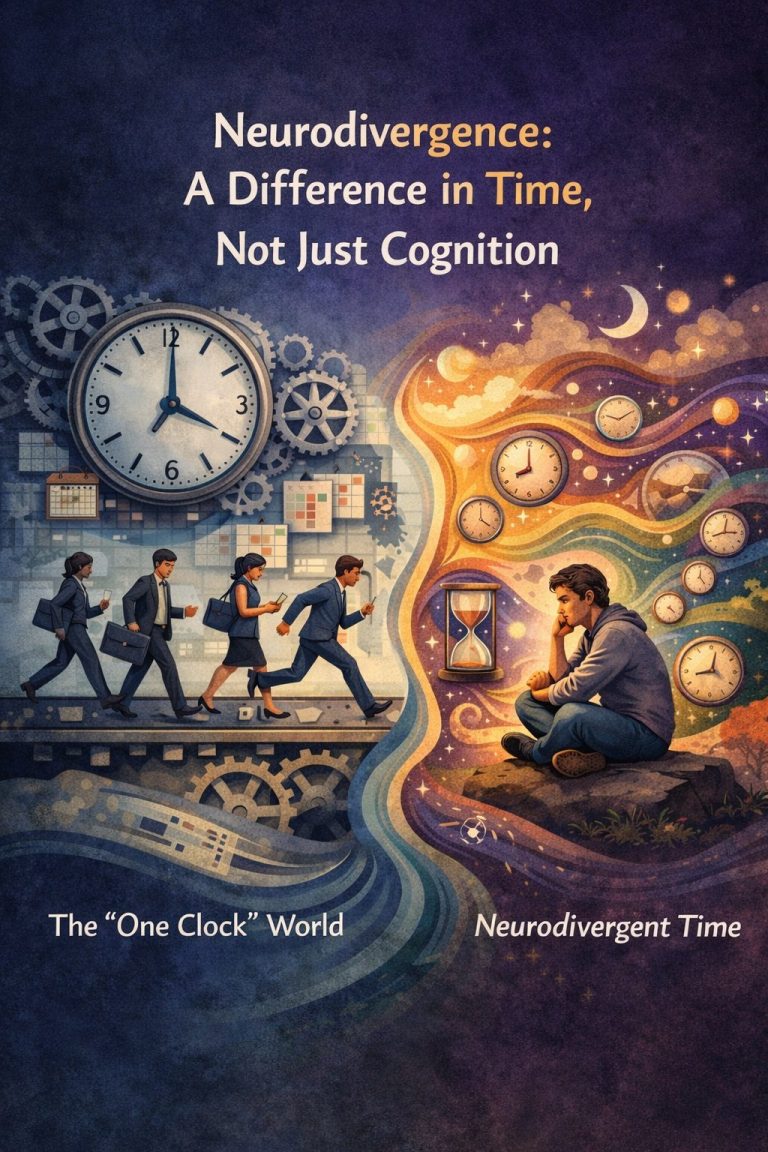
Neurodivergence: A Difference in Time, Not Just Cognition.
Neurodivergence is often misunderstood because our systems assume everyone moves through time in the same way. This insight explores how many neurodivergent people operate on nonlinear rhythms... needing latency, integration, and cyclical bursts of energy rather than constant, linear output.
When these timing differences are misread as inconsistency or lack of effort, people are pushed to work against their own nervous system, leading to burnout and self-doubt. True inclusion requires designing systems that respect different paces, not forcing everyone to run on the same clock.
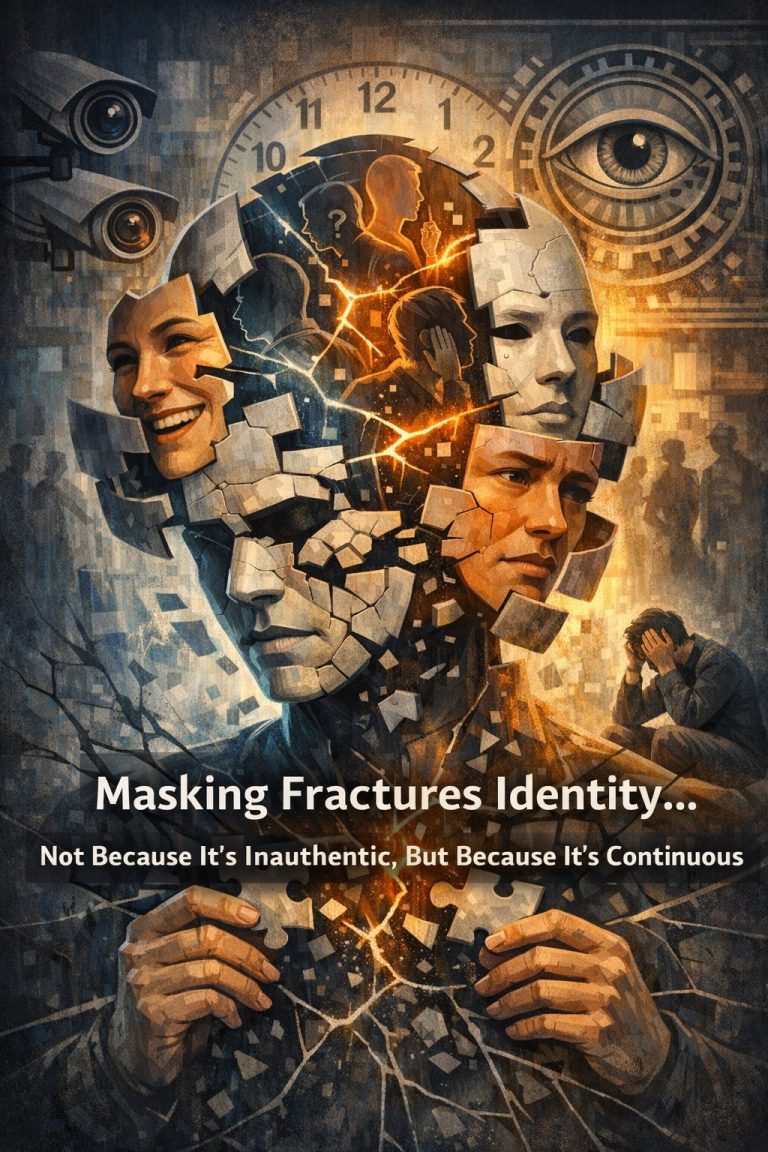
Masking Fractures Identity... Not Because It’s Inauthentic, But Because It’s Continuous
Masking doesn’t damage identity because people are being inauthentic... it damages identity because it requires constant self-interruption. When neurodivergent people must continuously monitor, edit, and suppress their natural responses in order to stay safe or acceptable, their internal experience loses continuity.
Over time, this leads to exhaustion, fragmentation, and the sense of “not knowing who I am,” not as a psychological flaw, but as the predictable cost of living in environments that demand performance over coherence.
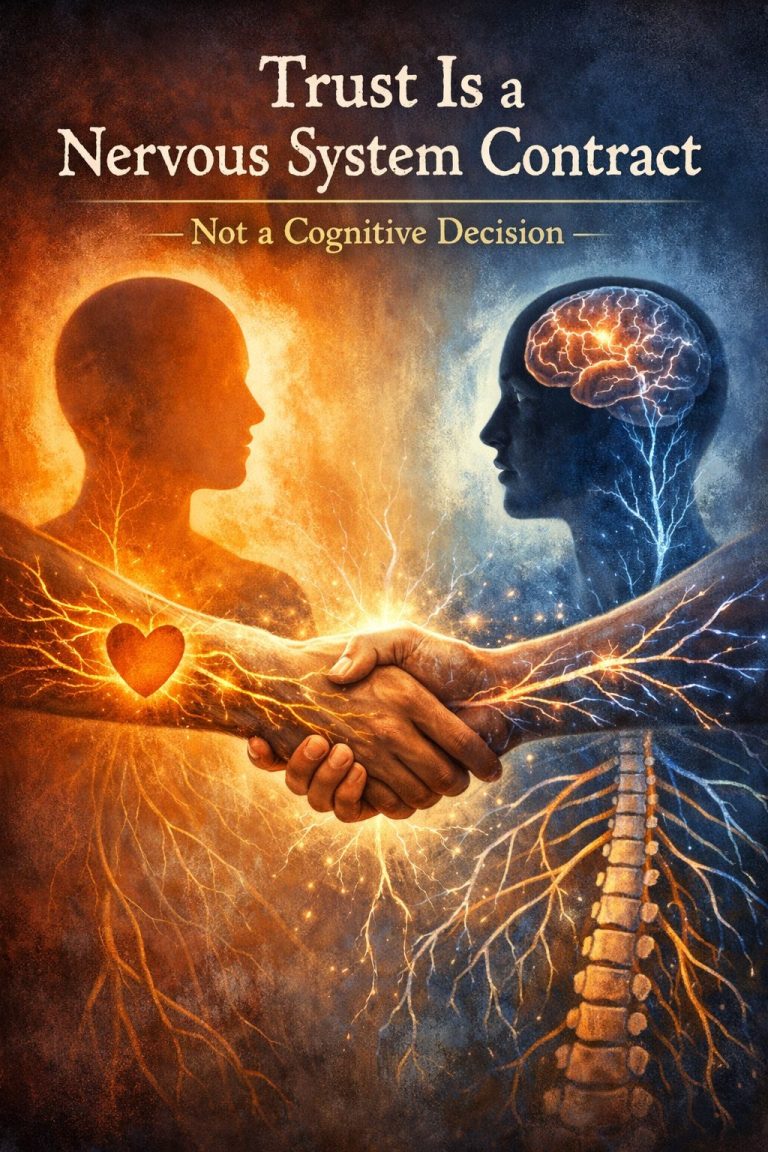
Trust Is a Nervous System Contract… Not a Cognitive Decision
Trust is not something we decide to give... it is something the nervous system allows when experience proves it is safe to stay open. This insight reframes trust as a physiological state shaped by predictability, consistency, power dynamics, and repair over time, rather than intention or persuasion.
When systems are unpredictable or unrepairable, vigilance replaces trust as a survival response. Real trust emerges not from being asked to believe, but from environments that make safety, accountability, and repair reliable enough for the nervous system to stand down.
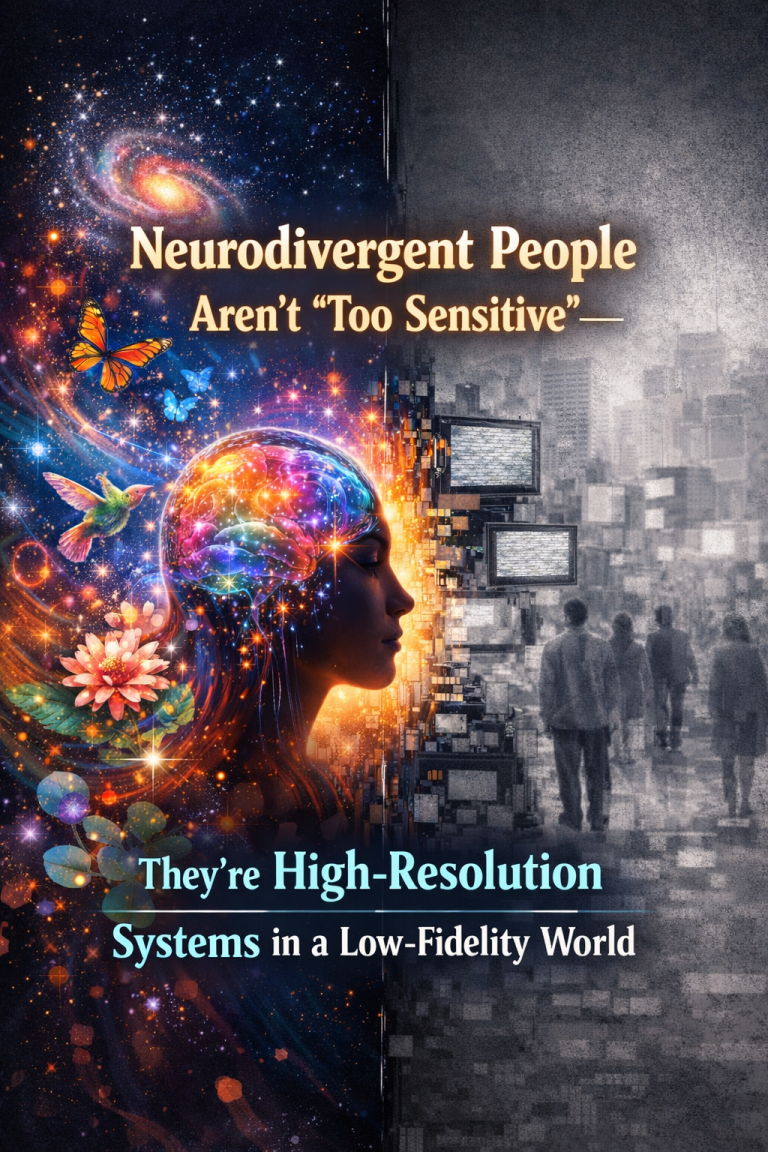
Neurodivergent People Aren’t “Too Sensitive”… They’re High-Resolution Systems in a Low-Fidelity World
Neurodivergent people are often labelled “too sensitive,” but what they are actually showing is high-resolution perception in environments built for low fidelity. This insight reframes sensitivity as the capacity to detect nuance, inconsistency, and early warning signals that others miss... emotionally, relationally, and systemically.
Overwhelm arises not from weakness, but from being required to process excessive noise, contradiction, and misalignment without adequate structure or relief. When environments are designed for clarity and coherence, high-resolution nervous systems become an asset rather than a liability.
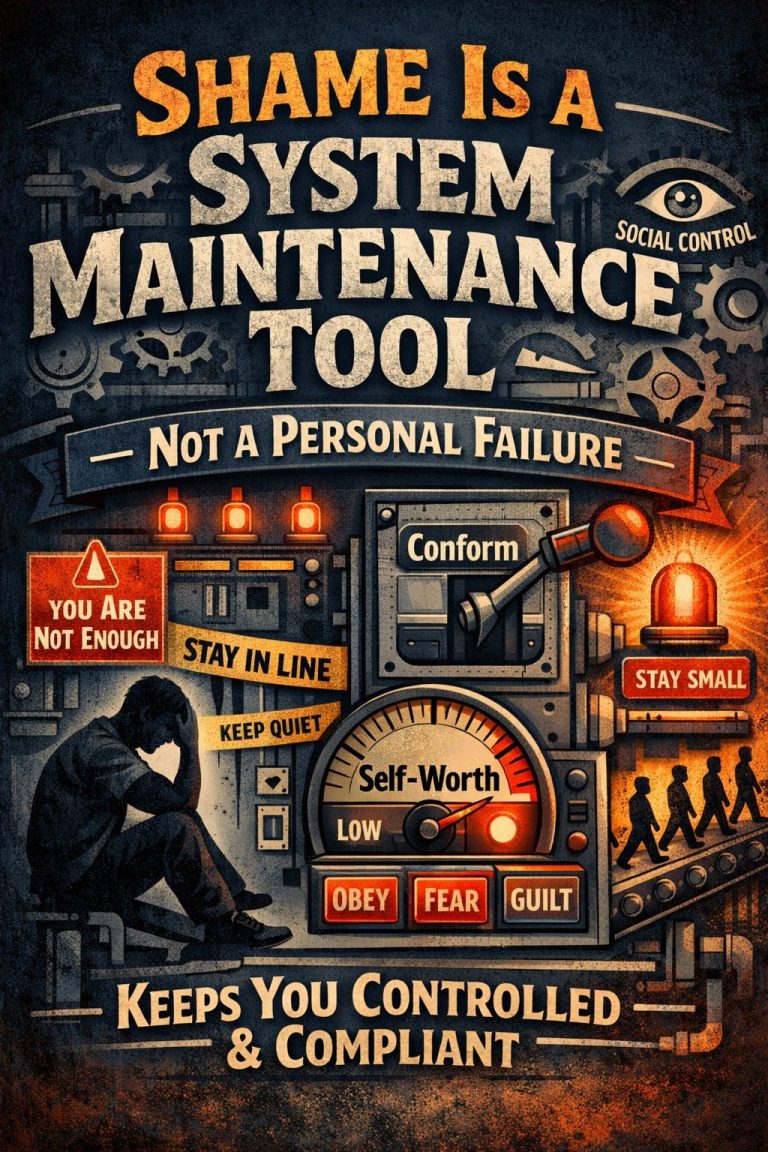
Shame Is a System Maintenance Tool… Not a Personal Failure
Shame is not simply a personal emotion to overcome... it is a mechanism that allows broken systems to keep functioning by shifting responsibility onto individuals.
This insight explores how shame encourages self-blame, compliance, and silence when environments are poorly designed or unaccommodating, particularly for neurodivergent people. By internalising failure, people protect systems from scrutiny while paying the cost through burnout, masking, and diminished capacity. Reducing shame requires not just individual healing, but structural honesty and system redesign.
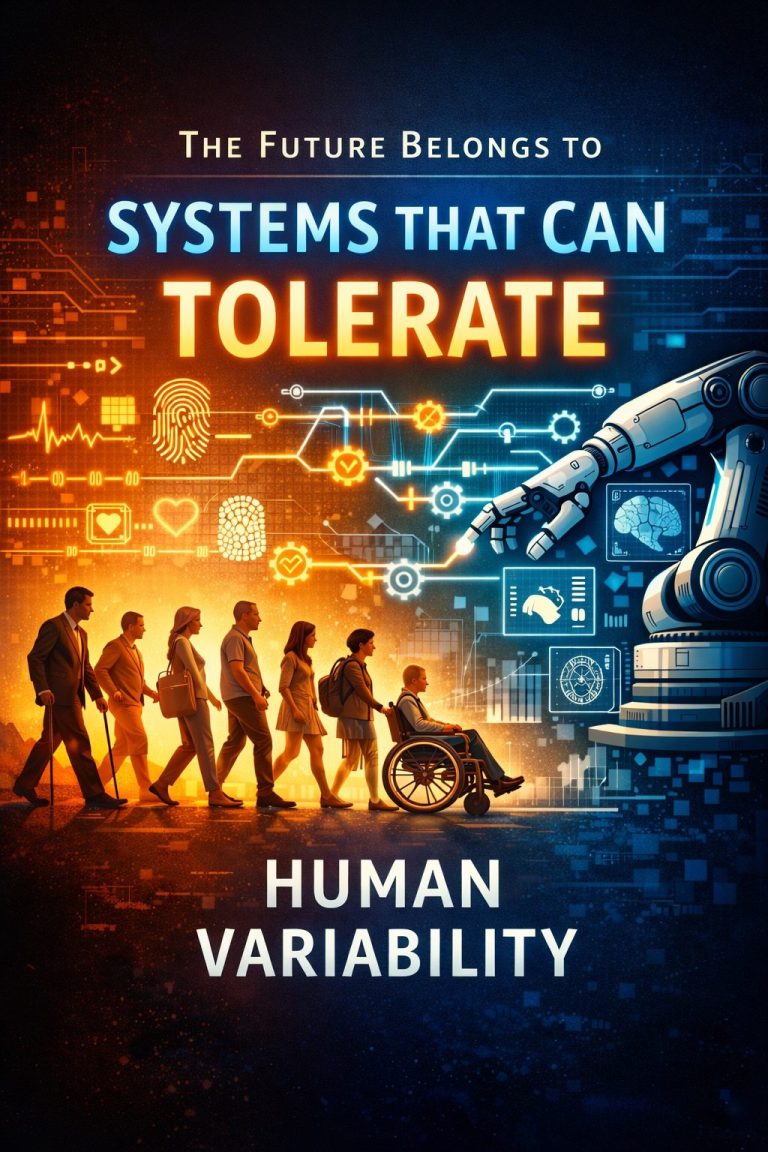
The Future Belongs to Systems That Can Tolerate Human Variability
Human systems have long been built around the idea that people should be interchangeable, but this assumption is breaking down under modern complexity.
This insight argues that the future belongs to systems designed to tolerate and absorb human variability... in pace, perception, energy, and thinking... rather than suppress it. Neurodivergent people are not edge cases but stress-tests that reveal where rigid designs fail. Systems that adapt to variability become more resilient, creative, and sustainable, while those that enforce sameness grow brittle and collapse.