
Posts
Short essays on ADHD, regulation, and system design — written for neurodivergent reality.
This is where I publish the posts I share publicly — the ones that name what many ND people feel but struggle to explain.
Some are clinical. Some are personal. All are written to reduce shame and increase clarity.
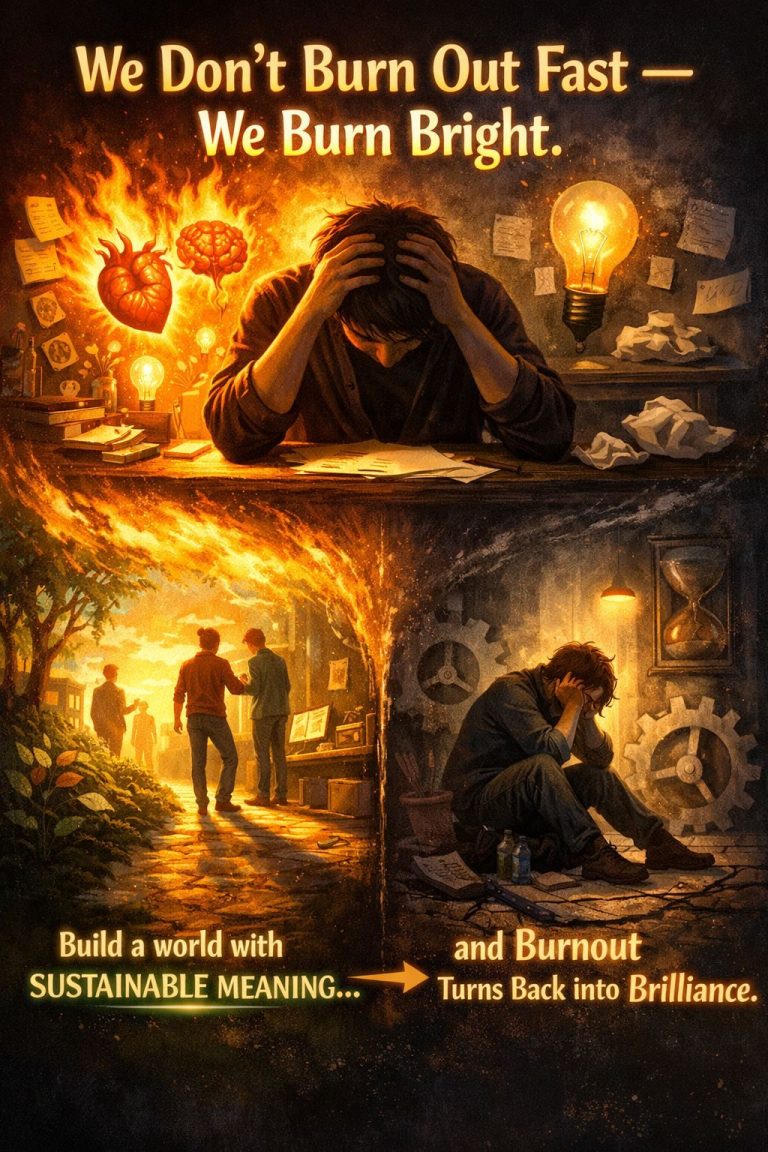
ADHD burnout isn’t a personal failing.
It isn’t poor resilience.
It isn’t a lack of discipline.
It’s what happens when a nervous system built to run on meaning, intensity, and connection is forced to survive inside systems designed for maintenance, repetition, and emotional neutrality.
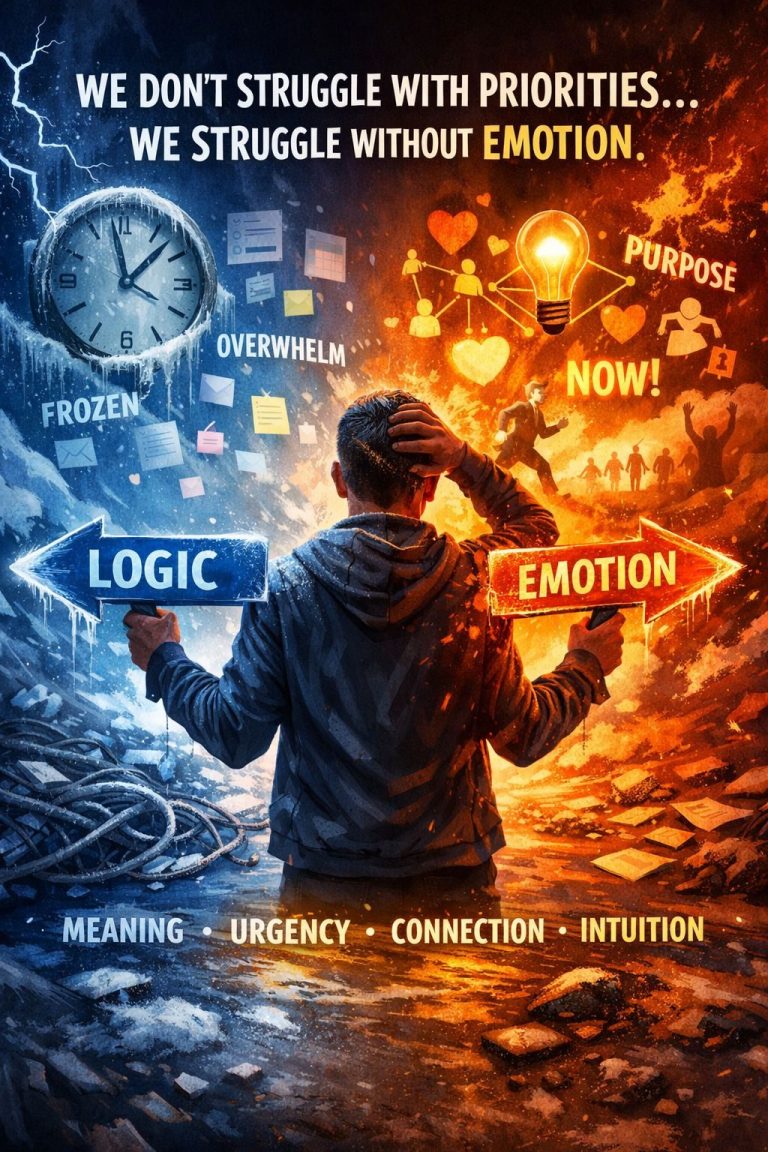
Ask an ADHD brain to prioritise logically
and it freezes.
Ask it to prioritise emotionally
and it flies.
This is where so many misunderstandings begin.
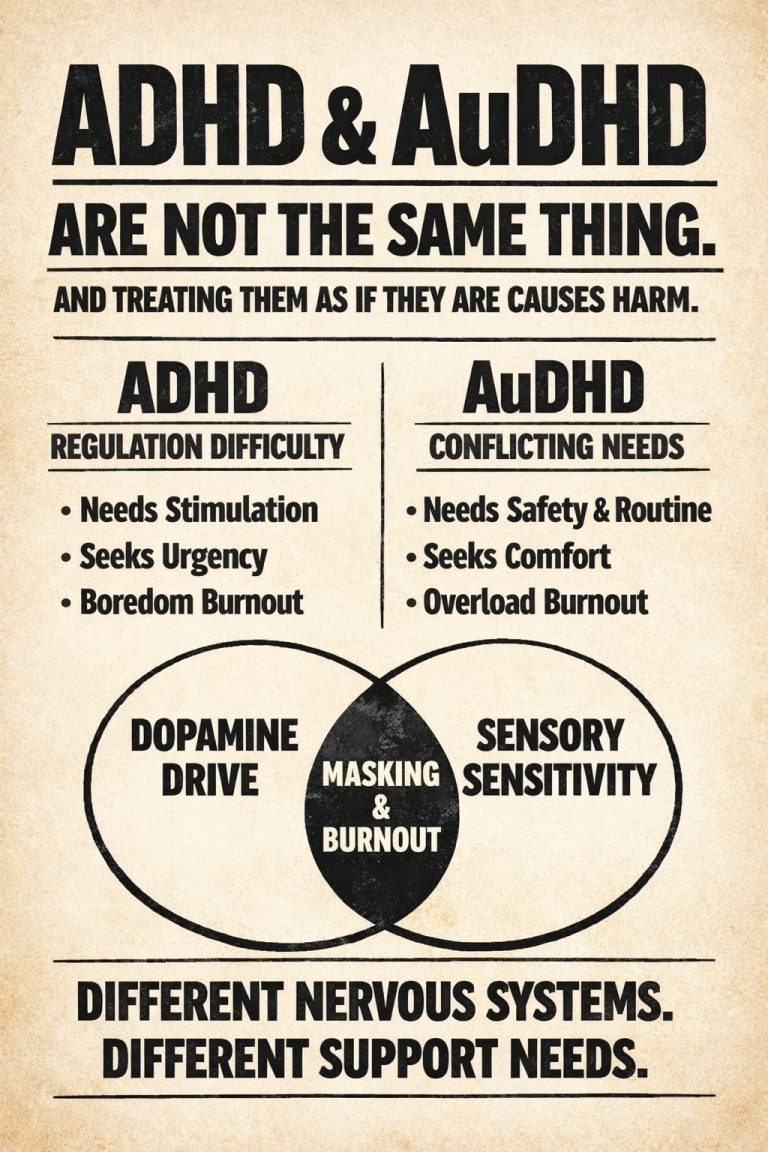
ADHD is not a deficit of attention.
It’s a difference in regulation.
Attention, emotion, energy, motivation...
all move in response to interest, meaning, urgency.
That’s why pressure sometimes “works.”
It creates stimulation where none existed.
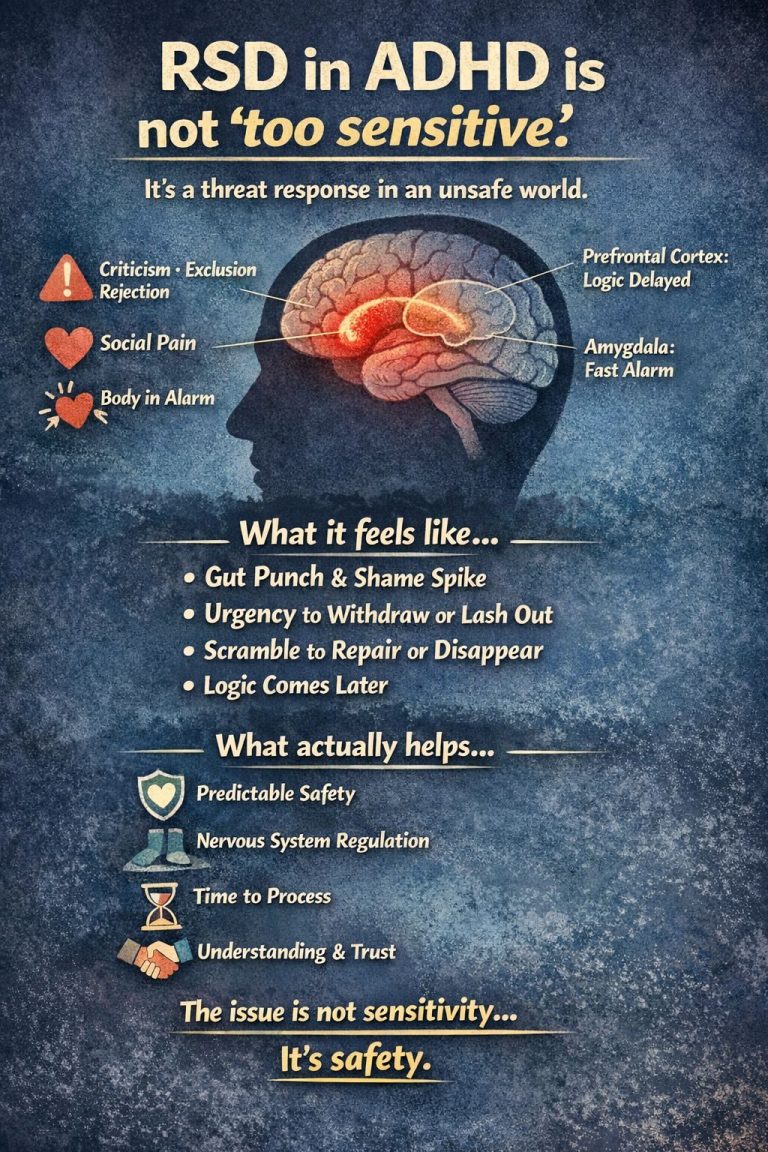
Rejection Sensitivity Dysphoria (RSD) in ADHD isn’t fragility.
It’s a nervous system doing its job too well in a world that isn’t safe enough.
RSD gets framed as “overreacting.”
As being “too sensitive.”
As something to toughen up, rationalise away, or stop taking personally.
But that framing misses the point entirely.
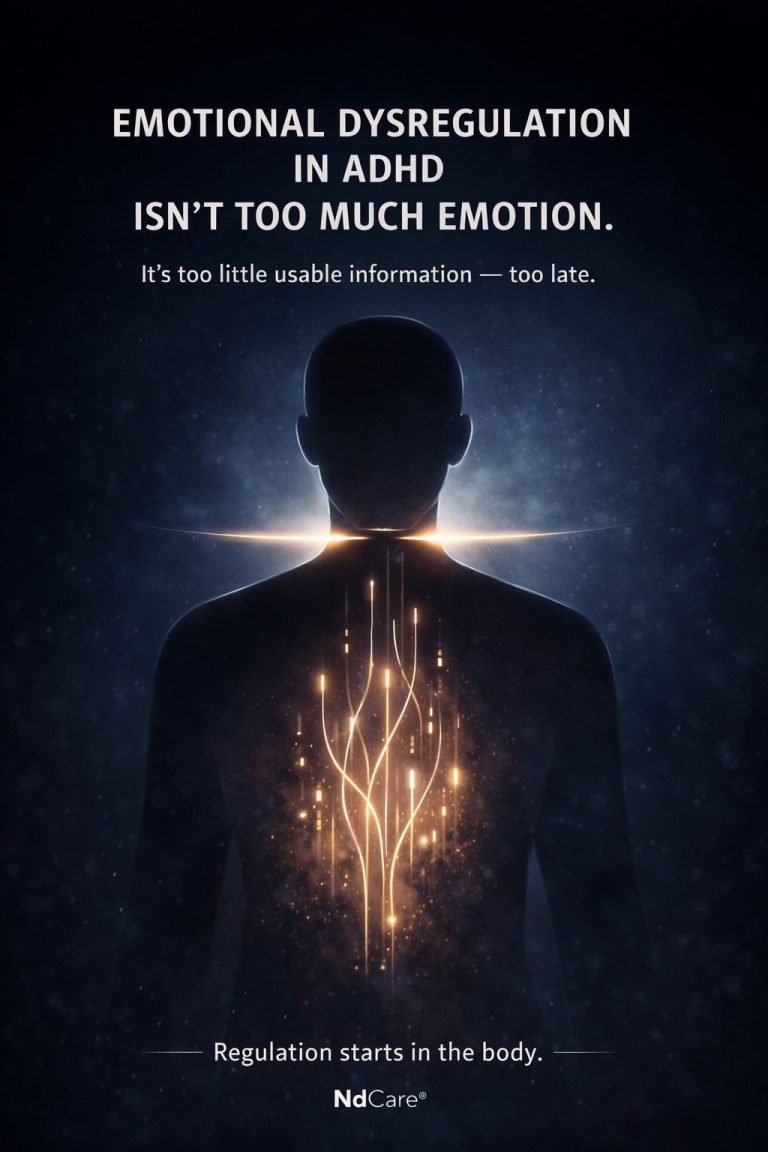
I think I’ve found a missing piece in emotional dysregulation in ADHD / AuDHD.
And it’s not motivation.
Not mindset.
Not emotional “immaturity”.
It’s interoception... our ability to sense what’s happening inside the body.

ADHD minds don’t wander aimlessly.
They wander strategically,
following curiosity like a compass rather than a clock.
What looks like distraction from the outside
is often direction from the inside.
Daydreaming isn’t escape.
It’s exploration.
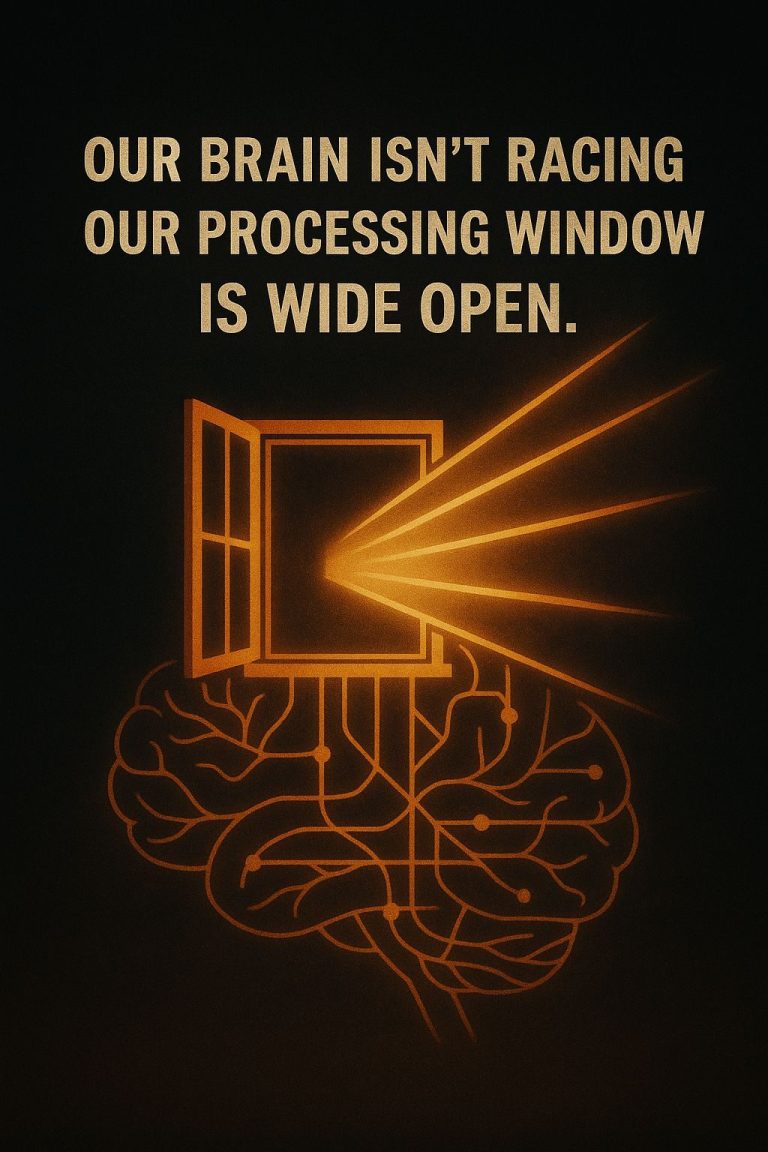
People hear “my brain won’t stop” and assume chaos.
But what they’re hearing isn’t chaos... it’s capacity without containment.
ADHD minds don’t simply think fast.
They absorb fast.
They interpret fast.
They make connections faster than the world expects them to.
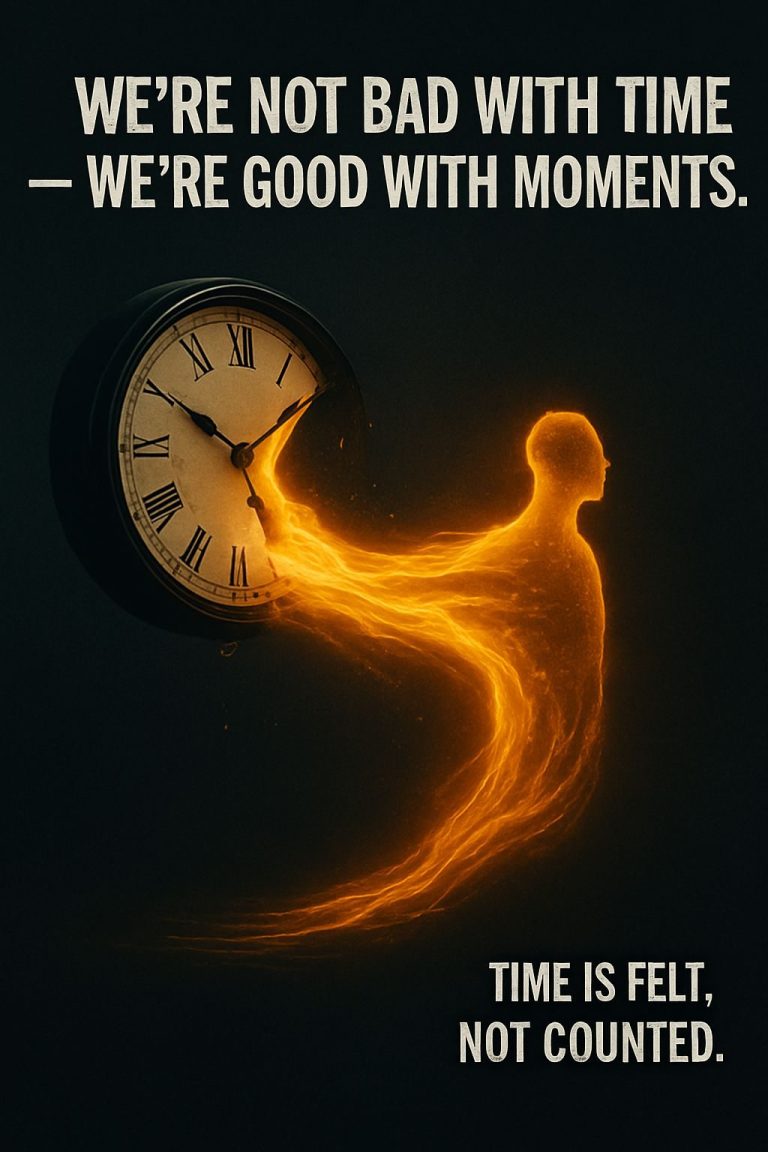
ADHD “time blindness” gets framed as irresponsibility, chaos, or carelessness.
But look closely... it isn’t about not valuing time.
It’s about experiencing time differently.
Most people live in clock time: minutes, hours, tidy boxes.
But we live in felt time: meaning, momentum, emotional gravity.
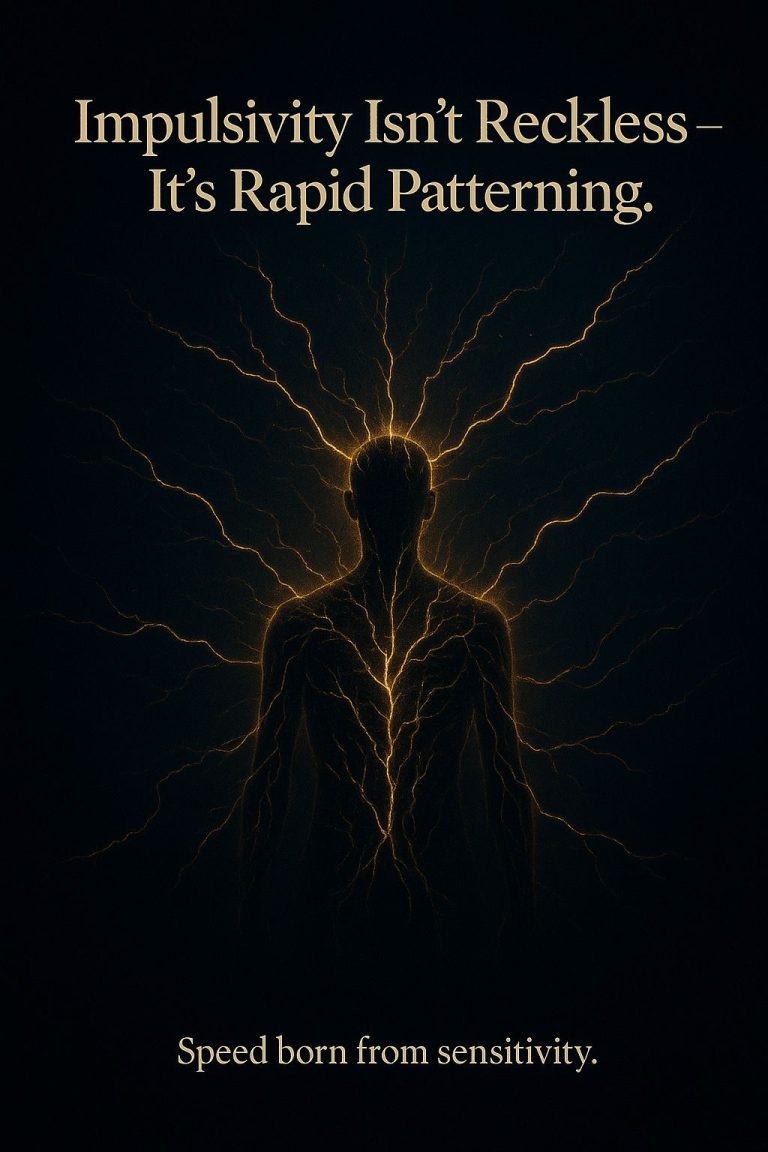
ADHD impulsivity is framed as recklessness.
But that’s the wrong lens.
It’s not a flaw in judgment... it’s a speed in patterning.
We notice, connect, and respond in microseconds.
Our nervous systems run on immediacy: sensing data, emotions, tone shifts, possibilities... all at once.
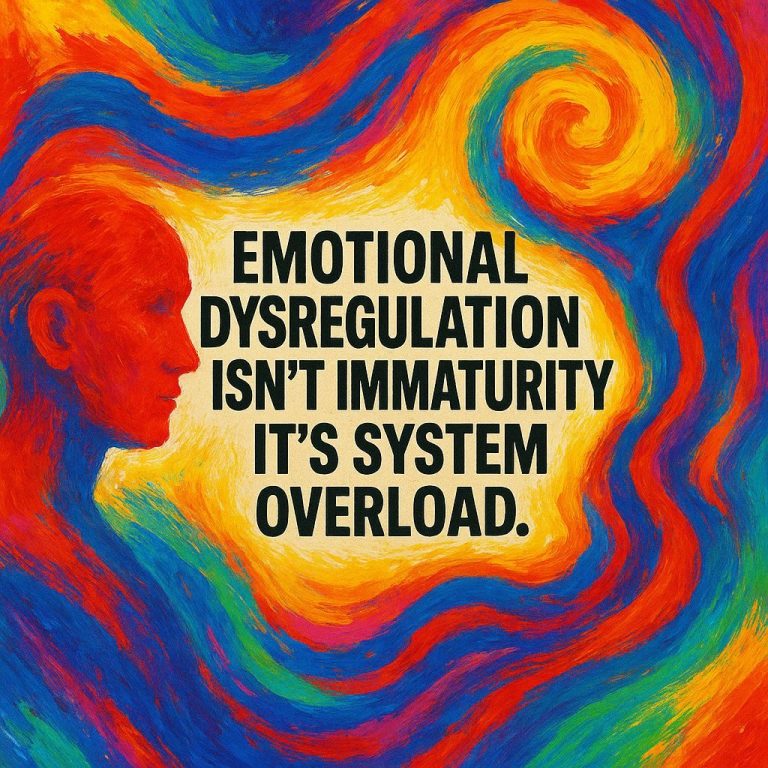
ADHD emotions aren’t “too big.”
They’re just too unfiltered.
We feel everything... in high definition.
Every joy, every jab, every shift in energy around us.
It’s not drama; it’s data. Our nervous system doesn’t use a dimmer switch. It runs the full spectrum... all at once.

ADHD isn’t a deficit of attention.
It’s a different distribution of it.
We don’t fail to focus... we fail to filter.
Our minds register more: sound, tone, texture, movement, energy, emotion, possibility.
While others hear noise, we hear data.
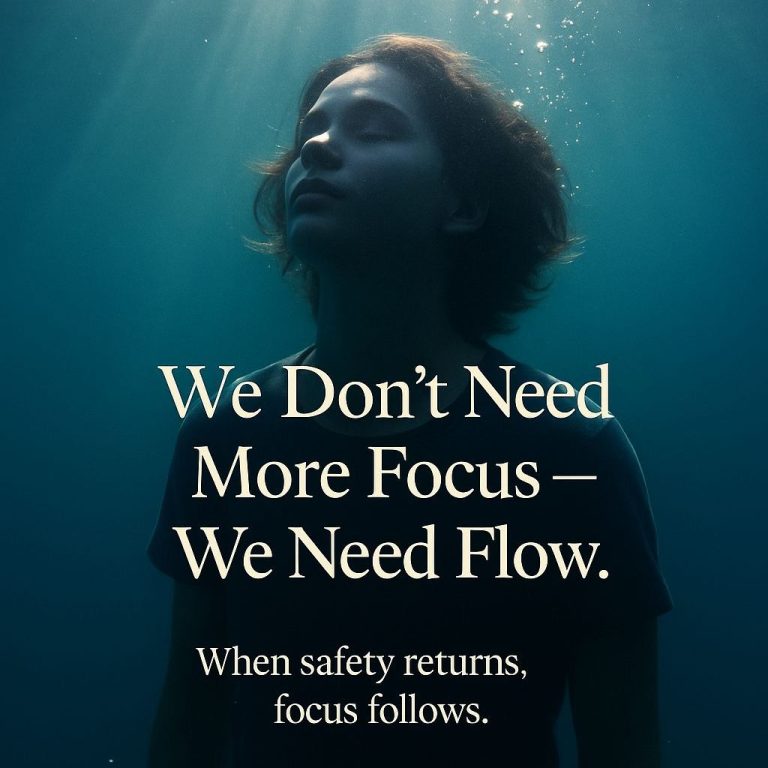
Every productivity guru says the same thing: just focus.
But for ADHD minds, focus isn’t a switch you flick... it’s a state you fall into.
We don’t force focus.
We find it... in the rare moments when challenge meets curiosity, and stakes meet safety.